
Search
Who is that Knocking at my Door? What We Can Learn from the Posadas
-
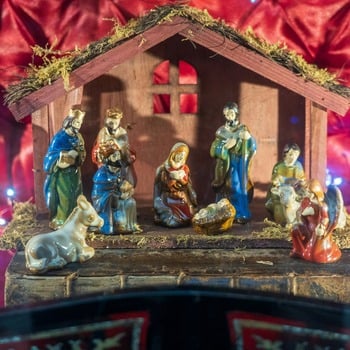 December 15, 2025Advent and Christmas is a time of rich traditions from many different cultures and ethnic groups. A very popular addition to our celebration of this holy season in the United States is the beautiful Mexican tradition of Las Posadas. this colorful, musical celebration of our faith in the Birth of Our Lord in Bethlehem happens during the nine days preceding Christmas Day. From December 16 to 24 each evening a man dressed as St. Joseph and a woman dressed as the Blessed Mother portray their arrival in Bethlehem that first Christmas Eve in search of lodging. They arrived for enrollment in their native town of Bethlehem as mandated by Caesar Augustus. As we know, Our Lady was about to give birth, so finding a place to stay was uppermost in their minds.
The Spanish word “posada” means “an inn.” We remember from the Gospel that there was no room for them in the inn. Almighty God Himself, about to be born as a man while remaining God, was refused a place to be born. St. Joseph and Our Lady, who were obediently giving themselves over to God’s Will, were not understood or accepted, and were regulated to a place reserved only for animals.
The Posadas tradition illustrates the plight of the Holy Family and what we can learn from it today. The tradition started in 1585 in Mexico when the Augustinian friars began to teach the indigenous people, who were illiterate, the story of the Nativity of Jesus in Bethlehem. The Holy Family comes to the door of a family home, knocks on the door and sings a lovely folk song asking for lodging. St. Joseph and the Blessed Virgin (often seated on a donkey) sing the verses of the song asking for shelter. They are sorrowfully refused entrance at a number of places until finally they come to a home where they are admitted, and the place is filled with joy. Accompanying the Holy Family is a festive procession from place to place, with people carrying statues of Mary and Joseph as well as candles. The finale involves a joyful party with treats given to all. As a true novena, the days of the Posasdas are filled with prayer and reflection on the mystery of the Birth of Our Savior.
What can this living tradition of Las Posadas teach us today?
First, the Posadas teach us of the tremendous humility of God, Who condescends to come as One of us, and the profound humility of Our Lady, Queen of Heaven, and St. Joseph, the Foster Father of the Lord, who find refuge in a stable. It teaches us that true riches are not material or of this world. True riches are the graces that God gives us by the coming of His Son.
Second, the Posadas teach us that life is a journey that is beautiful, but often not easy. Just as doors were slammed shut before the Holy Family, so, too, for us the way may be closed to us from time to time on life’s journey. Even so, God always opens the way before us if we follow His Will.
Third, the Posadas teach us that we must not be like the people on the way who closed their doors to Jesus, Mary, and Joseph. Rather, we must open the doors of our hearts to receive Christ, His Mother, and St. Joseph. Preparation to open our hearts to the Divine includes daily prayer, going to Confession, and coming to Mass daily, if possible. We must likewise open our hearts to receive others on the way and share with them our deep love for the Christ Child.
Fourth, the Posadas teach us that our journey to Bethlehem with the Holy Family is a community affair, a true family affair. The procession of prayer, joy and love that walks with the Holy Family reminds us that we do not journey alone. Jesus, Mary and Joseph always accompany us on life’s way. We all walk together with our hearts set on Bethlehem, and ultimately on heaven. We are bound to welcome all to make this journey with us, so that the hope of the Divine Child’s Birth may bind us all together in the love and peace that only He can bring.
Most Reverend William J. Waltersheid
Auxiliary Bishop of Pittsburgh